





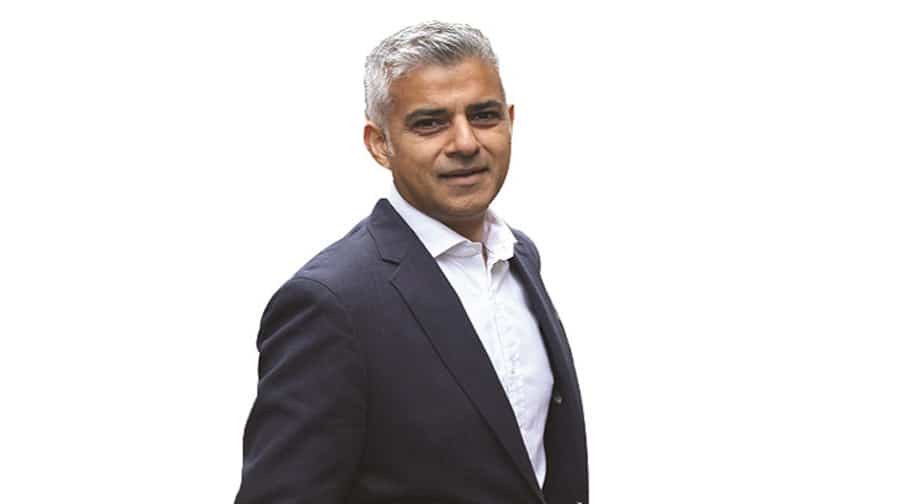
Bus users rejoiced last week after Mayor of London Sadiq Khan pulled the handbrake on plans to axe 78 London buses, including some major Southwark routes.
But while Southwark’s transport boss Cllr Catherine Rose, declared Southwark buses “saved”, the reality is slightly more complicated as the 521 is still being cut.
This is the story of how the majority of Southwark’s buses escaped the chop, and what the future holds for the borough’s transport.
Why were cuts proposed?
Unlike public transport systems in most Western cities, which usually get over half their funding from central government, 72 per cent of Transport for London’s (TfL) revenue comes from passenger fares.
So when Covid-19 emptied carriages, slashing ridership on some TfL services by 96 per cent, its coffers were left bare.
In August, following ill-tempered negotiations, TfL accepted a £3.6bn government bailout which included a £1.2bn upfront settlement.
But Khan warned of a remaining £400 million shortfall, and the son-of-a-bus-driver set out plans to strip London’s bus services.
Relatedarticles


Sadiq Khan threatens £20 council tax rise to cover TfL funding gap
The Reaction
The Mayor’s proposal was met with an outpouring of opposition, with many saying bus cuts would hurt the vulnerable and disabled disproportionately.
Southwark, with many areas underserved by tube stations and its low household car ownership – 41.6 per cent compared to the 58.4 per cent London average – was particularly at risk.
Both sides of Tooley Street vehemently rejected the proposals. The Council’s Labour Leader Kieron Williams described the buses as “lifelines” while his Lib Dem rival Cllr Victor Chamberlain warned the cuts by the Labour Mayor would be “devastating”.
Fears were stoked further when a Lib Dem Freedom of Information request revealed that ridership on several at-risk routes was higher than it was pre-pandemic.
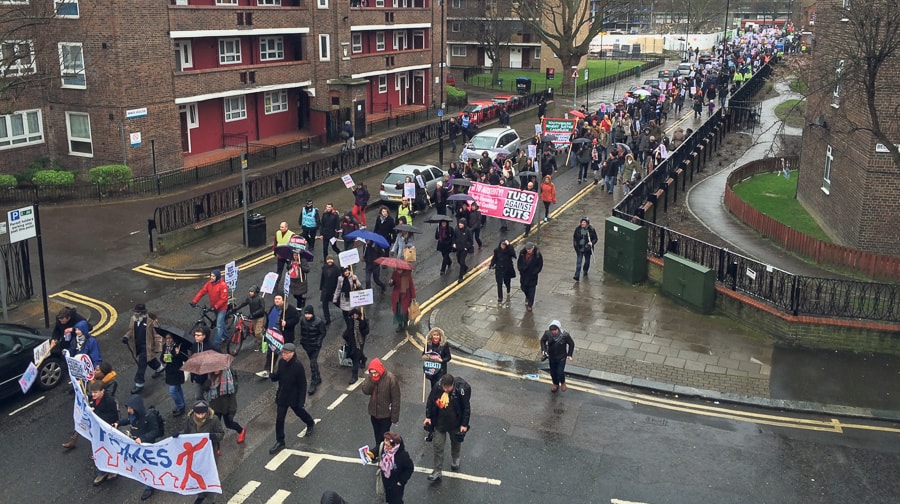
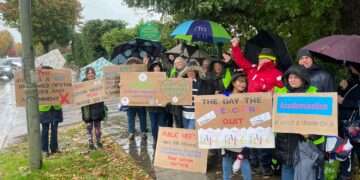
In a rare show of political unity, politicians across the spectrum, union members and residents marched from Camberwell Green to Peckham on October 6.
Passenger numbers on some Southwark bus routes facing axe are above pre-pandemic levels
A change in plan
On Wednesday, November 23, the plans screeched to a halt. Khan said the consultation, which had received over 20,000 replies, showed “the strength of feeling across the capital”.
He said £25 million would be taken from City Hall reserves, which could mean cuts to other services, such as policing, education or environment.
Some Tories suggested Khan had never intended to cut services, and he was dangling the cuts to pressurise the government into a better funding settlement.
The prime minister’s transport advisor Andrew Gilligan told the BBC the government had “called the mayor’s bluff”.
The Future
While the 78, 45 and 12 routes have all escaped the chop, the 521 from Waterloo to London Bridge is being ditched and will be serviced by 133 and 59.
Changes to the 133 from Streatham to Liverpool Street will also hinder those travelling north through Southwark, the Lib Dems have warned.
With Sadiq Khan warning that retaining the buses means “tough decisions elsewhere”, major infrastructure projects once touted for Southwark remain precarious.
For example, the estimated £7.9bn cost of the Bakerloo Line Extension, which would mean new tube stops being built between Elephant and Castle and Lewisham, down the Old Kent Road, far outstrips TfL’s £3.6bn funding settlement.
The legacy of the pandemic, the political fissures between Labour-voting London and the Tory government, and the country’s general economic malaise, suggest TfL is set for stagnation before expansion.
Could the possible new TfL deal mean the Bakerloo Line Extension is revived?